Credits
I dedicate this project to all of the late night study sessions, problem sets, and labs that will continue to haunt my dreams. I couldn’t be here without them.
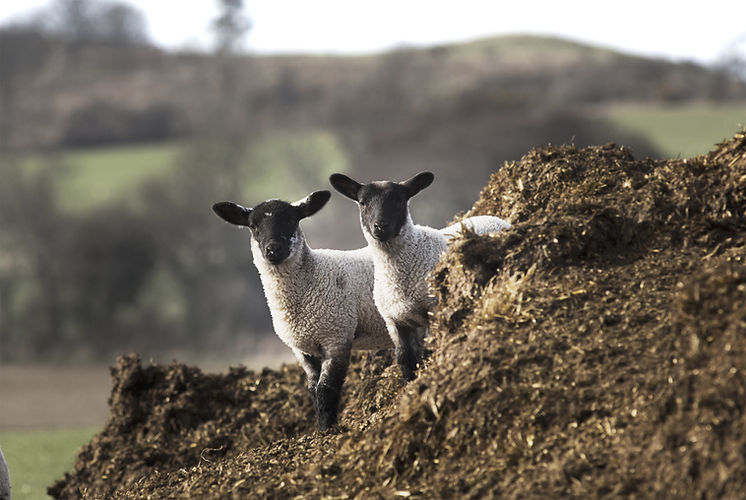
Field Support
Upstream Collective. My wonderful group: Olive, Navya, and Sydney. Thank you for being so gentle with my writing in all of its stages. I took all of your feedback to heart and loved going through this journey with you all!
Julie Babcock. My favorite writing teacher! Thank you for three wonderful semesters of classes! Julie has guided me through the minor in writing, creating a welcoming and warm environment to experiment. I enthusiastically call myself a writer because of you.
Ava Nelson. My environmental science bff! Thank you for answering all of my questions when I have no clue what is going on in class, and thank you for standing by my side at Camp Davis when I wanted to cry everyday. Also, huge shout out for sitting down, getting real, and answering honestly and freely to my interview questions.
Naomi Monroe. My environmental "little sis." Thank you for letting my sad, senior, self ask you personal questions during our interview. I can't wait to see what you do, it's going to be amazing.
Grandma Patty. My amazing grandmother. Thank you for sharing your stories, advice, and life lessons with me. I am so lucky to have you as a role model. I love learning more about myself as I learn more about you.
Emily Luo. My talented friend and consultant. Emily, a senior at U of M too, completed her honors thesis this semester. We traded writing, helping each other complete meaningful projects in the final semester of our college experience. Thank you for your encouragement!
Citations
Bravata, D.M., Watts, S.A., Keefer, A.L. et al. Prevalence, Predictors, and Treatment of
Impostor Syndrome: a Systematic Review. J GEN INTERN MED 35, 1252–1275 (2020). https://doi.org/10.1007/s11606-019-05364-1
Genetic Literacy Project. Does Monsanto Sue Farmers Who Save Patented Seeds or Mistakenly Grow GMOs? https://geneticliteracyproject.org/gmo-faq/does-monsanto-sue-farmers-who-save-patented-seeds-or-mistakenly-grow-gmos/
Jacques, Peter J., and Jessica Racine Jacques. "Monocropping cultures into ruin: the loss of food varieties and cultural diversity." Sustainability 4.11 (2012): 2970-2997.
Jacquet, Jennifer, et al. "Early US meat industry knowledge and response to global warming." Environmental research letters 20.3 (2025): 031006.
Shin, J.E.L. Impostorism: prevalence and its relationships with mental health, burnout, dropout consideration, and achievement among graduate women in STEM. Soc Psychol Educ 28, 129 (2025). https://doi.org/10.1007/s11218-025-10090-0
The Nature Conservancy. Beef Industry Can Reduce Greenhouse Gas Emissions by up to 30%. 12 Feb. 2026, https://www.nature.org/en-us/newsroom/beef-industry-can-reduce-greenhouse-gas-emissions/
University of Utah. (n.d.). Imposter syndrome. J. Willard Marriott Library. https://exhibits.lib.utah.edu/s/women-in-stem/page/imposter-syndrome